Specialists in detecting and diagnosing rising and lateral damp - We are Melbourne based

The Damp Inspector

All about rising damp in Melbourne

Rising damp only occurs in brick buildings

Dampness can come in many forms and due to the fact that it can all too easily negatively impact on any building, it is very important that the issue and the causes of the issue are correctly identified. Too often property owners are incorrectly informed that their damp or moisture issue is caused by the incorrect attribute. For example, householders are often informed that their internal condensation is caused by excess moisture in the subfloor AND that adding subfloor ventilation will resolve internal condensation. This is incorrect. The most common damp or moisture issues that householders have to deal with are ( externally) rising damp and (internal) condensation. These are the two most common afflictions that befall domestic buildings. Dampness is always caused by water whether in liquid form or evaporating form.
Ground water will cause issues for any poorly drained property and the water table can be a difficult problem to overcome if the water table in your location is high, or easily saturated. Our property inspections will determine the cause of your damp issues and our scope of works will provide you with the guidance to resolve your issues either with contractors or on your own. We undertake damp inspections right across Melbourne and all of Victoria.


Click to call us HERE . John can be contacted directly on 0409 191 209 or via email.

Rising damp becomes a structural issue once the mortar becomes displaced due to salt erosion.

• Grout displacement and erosion can commonly cause water to leak under the tiles. If the waterproofing membrane beneath the tiles has failed, then water may exit the bathroom.

Rising damp can be a structural issue
Properly prepared balconies do not leak.

Rising Damp Inspections : Diagnosing rising damp issues throughout Victoria

Rising damp is considered to be a 'slow burn' issue, often taking decades to become serious enough to require restoration

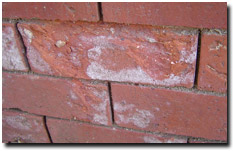
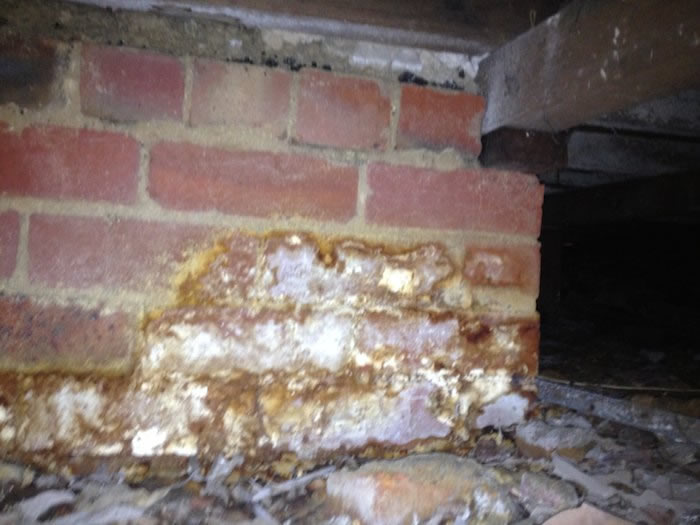
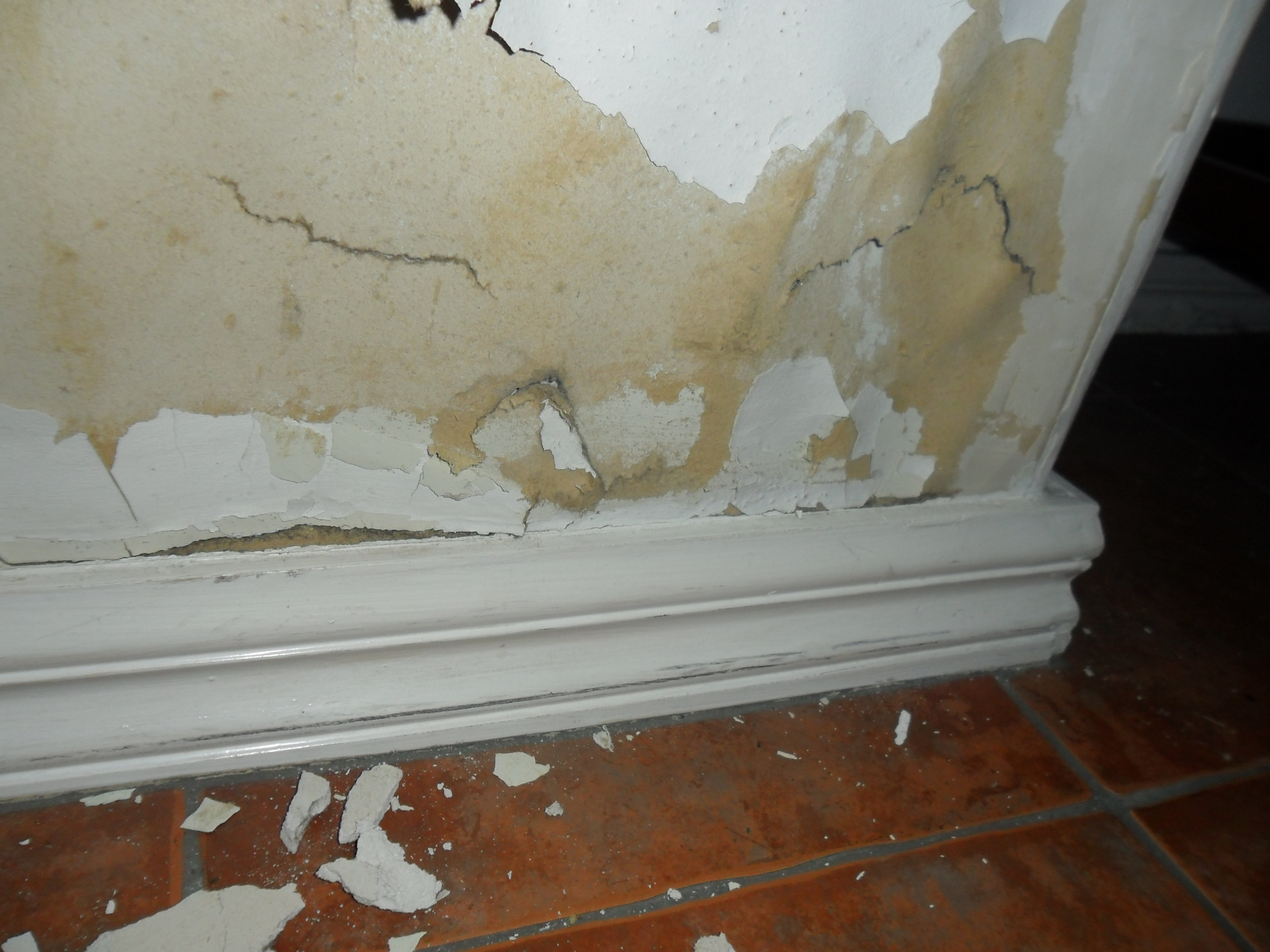
Rising damp is always located in brick buildings and is the process whereby moisture gets drawn into the masonry bricks and mortar and then slowly rises upwards via capillary action. As the moisture rises through the bricks and mortar, the salt and mineral deposits that are in the moisture expand and contract as the moisture levels rise and fall and force disruption upon the masonry surfaces. Over time the mortar and the bricks can erode, over many years. It is important to understand that dampness that invades masonry works is generally NOT a major defect. Many building inspectors flag dampness located in a brick wall as a major defect when nothing could be further from the truth. The impact of moisture in your masonary wall surface will take years to develop. The only time it becomes a structural defect is when the mortar has eroded to such an extent that bricks can become unstable. Internally, rising damp will reveal itself by way of blistered plaster and render or decay of existing mortar if the brick wall is natural. These issues are caused by moisture entering the built environment via capillary action or from outside (lateral damp) or even both. The causes of any rising damp need to be identified so it can be rectified. Externally, the issue will show itself by salt deposits on the brick wall and/or erosion of the mortar course and in extreme instances, erosion of the brickwork itself.
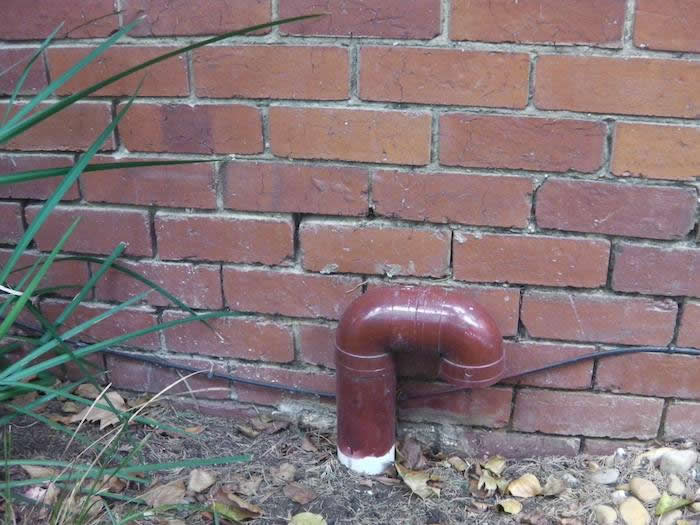


Professional leak detection equipment can detect water leaks behind walls.


We have the most professional and sophisticated testing equipment available which is required to identify water and dampness in any property. Inspection camera, moisture detectors, thermal imaging cameras.